









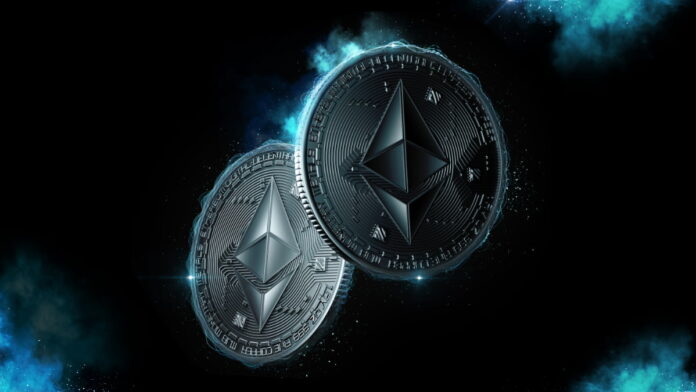
Ethereum powers more than just cryptocurrencies—it’s the engine behind DeFi, dApps, and the next evolution of digital ownership.
Index of the Series So Far:
- 1. Blockchain and the Evolution of Money: From Forex to the Future
- 2. Web3 and the Future of the Internet: A Beginner’s Guide
- 3. Ethereum & Smart Contracts: The Backbone of DeFi (You are here)
Ethereum and the Shift to Decentralized Applications
Ethereum(ETH) is more than a cryptocurrency. It’s a global, decentralized computing platform that allows developers to build apps directly on the blockchain—these are known as dApps. From games and marketplaces to banking services and voting platforms, dApps are transforming how people interact online. With Ether, there’s no need for intermediaries or hosting services—the blockchain itself runs the code.
The Rise of Smart Contracts
At the core of Ethereum’s innovation are smart contracts—self-executing programs that automatically enforce terms and conditions. Imagine signing a contract that fulfills itself without a lawyer, notary, or delay. This allows for the creation of trustless, permissionless systems where agreements are coded and immutable. These smart contracts are what power nearly every DeFi platform today.
Ethereum as the Foundation of DeFi
Decentralized Finance (DeFi) wouldn’t exist without Ethereum. Platforms like Uniswap, Aave, and Compound rely on ETH’s smart contract infrastructure to let users lend, borrow, swap, or earn yields—all without banks. This structure makes DeFi accessible to anyone with a wallet, reducing global entry barriers to financial services. According to DeFiLlama, Ether hosts the majority of total value locked (TVL) in DeFi globally.
LMGX and Its Ethereum Backbone
The LMGX Token is built on the ETH blockchain, which provides a secure and transparent environment for transactions and staking. Ethereum’s compatibility allows LMGX to integrate with existing wallets, exchanges, and DeFi protocols, giving users flexibility and familiarity. As a result, users can interact with the broader LM Group ecosystem through Crypto LMFX while remaining connected to the wider Web3 space.
Benefits Beyond Finance
While ETH’s most obvious impact is financial, it also enables decentralized identity, digital art (NFTs), tokenized governance, and more. Projects like Ethereum Name Service and DAOs (Decentralized Autonomous Organizations) are expanding what’s possible with blockchain. These tools are giving users new ways to manage identity, ownership, and participation across digital communities.
From Forex to DeFi: The Journey Continues
Just as LMFX has long helped users trade in global currency markets, LM Group is using blockchain to offer similar autonomy in decentralized ecosystems. With LMGX running on Ethereum, users now have a trusted on-ramp to explore staking, rewards, and financial freedom across traditional and DeFi platforms.
👉 Continue your journey in the world of crypto and Web3 with our next article: “Tokenomics 101: Why Holding & Staking Matter.” And don’t forget to check out our blog for more insights, guides, and updates.