











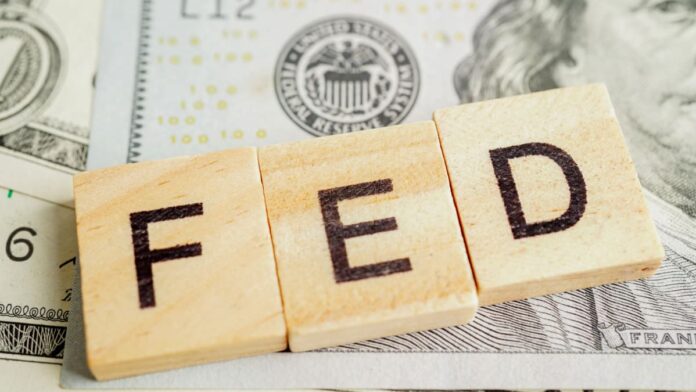
The Kevin Warsh nomination as the next Federal Reserve Chair has sent shockwaves through financial markets this week. Following President Donald Trump’s announcement, precious metals such as gold and silver plunged sharply – with some of the steepest declines in decades – as investors reassessed expectations for U.S. monetary policy amid fears of tighter conditions and a stronger dollar. Meanwhile, analysts are weighing both the stabilizing potential of Warsh’s experience and the market’s nervous reaction to the policy shift.
Kevin Warsh, former member of the Federal Reserve Board of Governors, is widely recognized for his strategic approach to monetary policy and financial regulation. During his tenure at the Fed, Warsh navigated some of the most volatile periods in modern economic history, including the 2008 financial crisis, and his strategies continue to influence markets worldwide.
A Strategic Mind in Monetary Policy
Warsh’s approach has always been grounded in careful analysis, risk management, and forward-looking policy decisions. He emphasizes the delicate balance between stimulating economic growth and preventing financial instability, often advocating policies that mitigate bubbles without stifling innovation.
Key elements of his financial strategy include:
- Measured Intervention – Warsh is known for supporting interventions that stabilize markets without creating excessive moral hazards, ensuring that financial institutions remain accountable.
- Forward Guidance – He advocates for transparency in monetary policy, signaling likely moves in interest rates and liquidity provision to avoid market shocks.
- Risk Assessment Across Borders – Warsh considers not only domestic but global implications of financial decisions, acknowledging that the U.S. economy is deeply intertwined with international markets.
Implications for the Global Market
Warsh’s policies and philosophy have a ripple effect beyond U.S. borders:
- Interest Rate Influence: His stance on interest rates can impact global capital flows, influencing investment in emerging markets and foreign currencies.
- Market Stability: By advocating careful liquidity management, Warsh’s strategies help prevent global financial contagion during crises.
- Investor Confidence: Clear and predictable financial strategies foster trust in global markets, encouraging long-term investment and economic growth.
In essence, Warsh’s financial strategies reflect a blend of prudence and innovation, balancing domestic economic priorities with international market stability. Global investors and policymakers continue to study his approaches to understand how central banking decisions in the U.S. affect markets worldwide.
The Future of Warsh’s Influence
Even after leaving the Federal Reserve, Warsh remains a key voice in economic discussions. His insights guide private investment strategies, influence policy debates, and inform multinational corporations navigating an interconnected global economy.
For those watching the global financial landscape, Warsh’s strategies provide a blueprint for resilient markets, measured growth, and cautious optimism – a reminder that strategic thinking in finance doesn’t just impact a single economy but resonates around the world.
How Speculators Are Reacting
Speculators – traders seeking to profit from rapid price movements – have reacted violently to the prospect of Warsh returning to influence monetary policy. Many speculative positions in assets like gold, silver, and cryptocurrency were built on expectations of continued easy money and looser Federal Reserve policy. When news broke Warsh’s nomination as Fed Chair, these expectations shifted quickly: gold and silver plunged sharply as speculative “debasement” trades unwound, and leveraged positions were liquidated en masse. The resulting volatility highlights how deeply speculators had priced in a radically different policy of future, and how quickly those assumptions can be replaced when a hawkish figure like Warsh comes into play.
How Long‑Term Investors Are Responding
Long-term investors, who focus on fundamentals rather than short-term moves, are taking a more measured view. Many see Warsh’s reputation for prioritizing inflation control and institutional credibility as a stabilizing force in the long run. While short – term volatility has rattled markets, these investors – particularly in equities and bonds – are recalibrating the idea that disciplined monetary policy could reduce the risk of future bubbles. Analysts note that a stronger dollar and the potential for higher real interest rates might tilt capital flows toward quality assets, even as riskier classes like crypto and commodities adjust.
His Influence on the Recent Market Crash
The recent market crash, especially in precious metals and risk assets, can be directly tied to the market’s interpretation of Warsh’s prospective policy path. As the U.S. dollar strengthened on expectations of a Warsh‑led Fed that might maintain tighter conditions and resist aggressive liquidity expansions, assets considered “hedges” against dollar strength – like gold, silver, and bitcoin – suffered sharp sell‑offs. Commodity markets experienced record percentage declines in gold and silver prices, while equities and cryptocurrencies felt pressure from the repricing of rate expectations and reduced risk appetite. This sell‑off wasn’t just a technical correction but a repricing of what investors now see as a less accommodative monetary regime under Warsh’s influence.
Could Kevin Warsh Save the Dollar?
Some analysts argue that Kevin Warsh is exactly the kind of strategist the U.S. dollar needs in uncertain times. His approach – measured interventions, forward guidance, and global risk awareness – acts as a stabilizing force, helping maintain trust in the world’s reserve currency. While he may not be a literal “saviour,” Warsh’s influence on policy and markets strengthens the dollar’s resilience, ensuring it remains a cornerstone of global trade and finance even amid volatility. For investors and policymakers alike, following Warsh’s strategies is like watching a master at work – careful, calculated, and globally minded.