










Exchanges are essential to crypto. Learn how centralized and decentralized platforms compare—and what makes LM Group’s hybrid approach unique
Index of the Series So Far:
- Blockchain and the Evolution of Money: From Forex to the Future
- Web3 and the Future of the Internet: A Beginner’s Guide
- Ethereum & Smart Contracts: The Backbone of DeFi
- Tokenomics 101: Why Holding & Staking Matter
- Exchanges Decoded: CEX vs DEX and What They Mean for You (You are here)
Exchanges and How Crypto Trades Happen
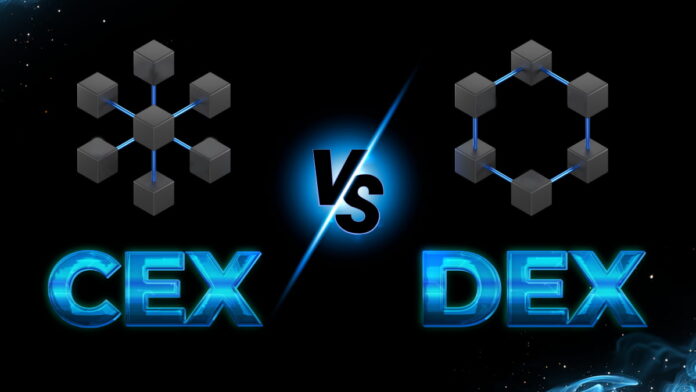
In the crypto world, exchanges are platforms where users buy, sell, or trade digital assets like Bitcoin, Ethereum, and tokens like LMGX. They come in two main types: centralized (CEX) and decentralized (DEX). Understanding the difference between them is vital for choosing the right tools and strategies for your investment journey.
How Centralized Exchanges Operate
Centralized exchanges work much like traditional stock brokers. They manage custody of your funds, process trades, and handle compliance such as KYC and security. Platforms like Binance and Coinbase fall into this category. Crypto LMFX, LM Group’s proprietary exchange, offers users a CEX model with the added trust and support of the company’s legacy forex operation at LMFX.
Decentralized Alternatives: DEX Platforms
Unlike CEXs, decentralized exchanges don’t hold your assets or personal data. Instead, trades are executed through smart contracts directly on the blockchain. DEXs like Uniswap allow users to maintain control of their private keys and funds. While DEXs offer more privacy and autonomy, they also require a deeper understanding of wallets, slippage, and gas fees.
User Experience: Where Ease Meets Autonomy
Choosing between a CEX and DEX depends on what matters most—ease of use or full control. Centralized platforms typically offer smoother onboarding, fiat onramps, and faster execution, making them ideal for beginners. DEXs, on the other hand, appeal to users who prefer a more hands-on, decentralized experience. Many investors eventually use both depending on their needs.
LM Group’s Hybrid Advantage
By combining its decade-long track record in forex through LMFX with its Crypto LMFX platform, LM Group offers a hybrid exchange approach. Users can access secure, centralized trading while benefiting from tokenized rewards, staking, and features powered by LMGX. This positions the exchange as a practical entry point for both traditional traders and blockchain enthusiasts.
The Future of Exchanges in Web3
As digital assets become mainstream, exchanges will evolve into financial hubs that go beyond trading. We’re already seeing integration with DeFi, gaming, and real-world payments. LM Group’s approach—anchored in trust and driven by innovation—bridges traditional finance and blockchain, helping users move between both worlds confidently.
👉 Next in the series: “From Tokens to Utility: Real-World Use Cases.” Stay curious and visit our blog for more educational articles on Web3, trading, and the future of finance.